
Login
Login
Login
Login

Insurance Guide Philippines

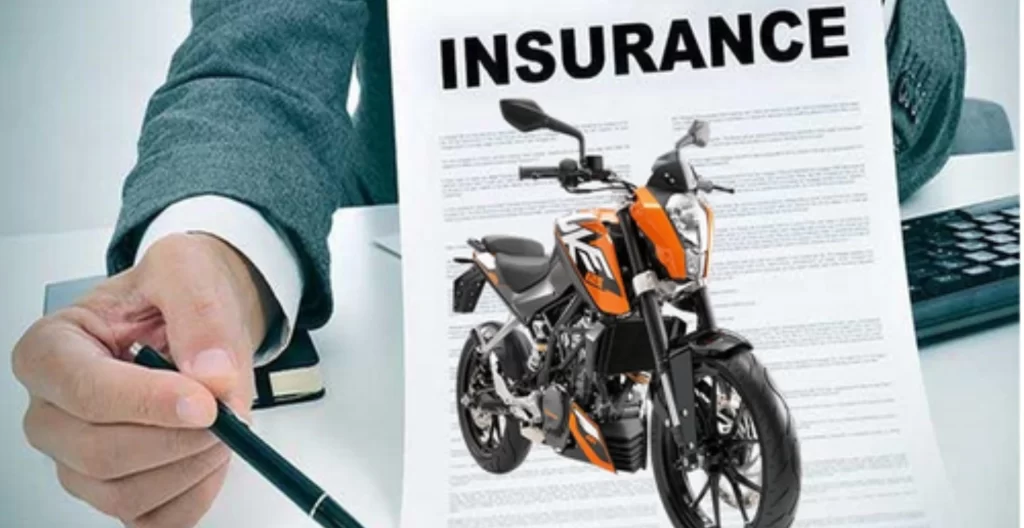
motorcycle insurance in the Philippines for daily riders and delivery drivers
Insurance Guide Philippines, Accident Insurance, Motorcycle Insurance

Motorcycle Insurance in the Philippines (2026): What Every Rider Should Know

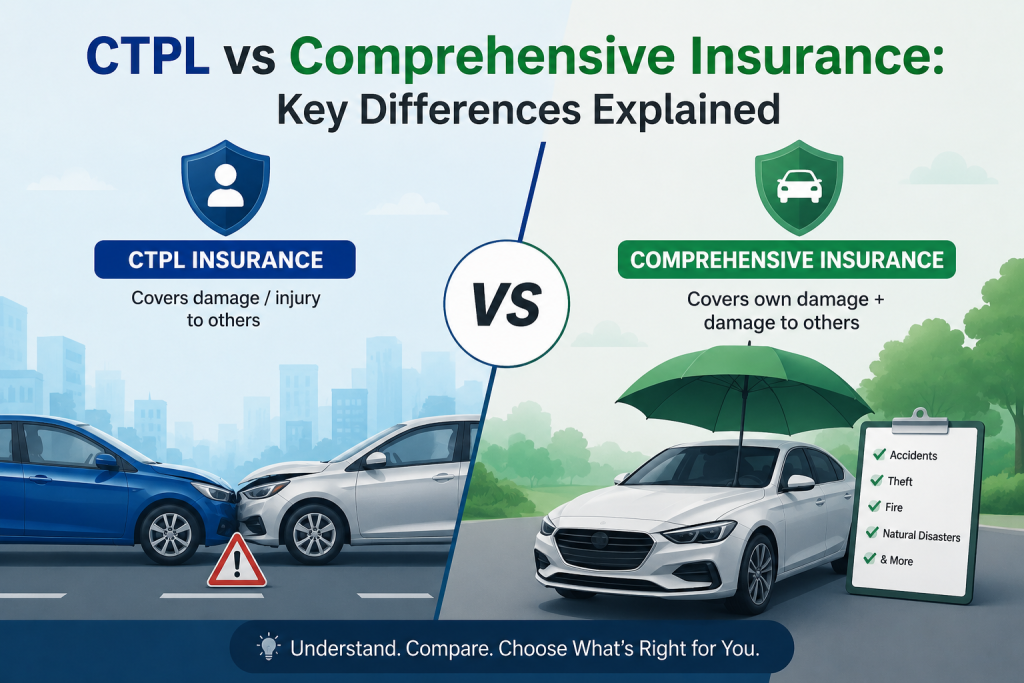
Motorcycles continue to dominate Philippine roads in 2026, serving as an essential mode of transportation for commuters, entrepreneurs, and delivery riders. With increasing traffic density, higher repair costs, and exposure to weather-related risks, motorcycle insurance in the Philippines is no longer just a compliance requirement. It is a practical financial safeguard. Before renewing registration with the Land Transportation Office, every motorcycle owner must secure Compulsory Third-Party Liability insurance. But beyond this legal requirement, riders have options that offer broader and more meaningful protection. Why Motorcycle Insurance Is Important in 2026 Motorcycle ownership comes with financial exposure. Accidents, theft, and natural disasters can quickly lead to unexpected expenses. Insurance helps absorb those costs so riders do not have to shoulder them alone. Key reasons riders invest in insurance today: Insurance transforms these risks into manageable financial obligations. For riders who want broader financial protection beyond vehicle coverage, it can also be helpful to understand accident insurance in the Philippines, especially for personal injury support. The Two Main Types of Motorcycle Insurance Instead of viewing motorcycle insurance as one product, it is better understood in two layers of protection: Mandatory Protection: CTPL CTPL insurance is required under Philippine regulations and supervised by the Insurance Commission. What it does: What it does NOT cover: CTPL protects others, not your own vehicle. Expanded Protection: Comprehensive Motorcycle Insurance Comprehensive motorcycle insurance in the Philippines fills the gaps left by CTPL. It is optional but highly recommended, especially for riders who depend on their motorcycle for work. Coverage may include: This type of insurance protects both the rider and the motorcycle itself. How Premiums Are Determined Insurance premiums in 2026 are influenced by several factors: Higher-value motorcycles and commercial use generally mean higher premiums. Motorcycle owners in high-risk areas may also benefit from understanding property insurance in the Philippines, especially when protecting garages, storage spaces, or business assets. When Is Comprehensive Insurance Worth It? Comprehensive coverage is especially valuable if: For occasional riders with older motorcycles, CTPL alone may be sufficient, but risk tolerance should always be considered. Responsible Riding Goes Beyond Helmets Insurance is part of a broader safety mindset. While helmets and defensive driving reduce physical harm, insurance reduces financial risk. As the motorcycle market continues to grow, riders who combine safe driving practices with proper coverage are better prepared for unexpected situations. Motorcycle insurance in the Philippines is not just about compliance. It protects your mobility, your livelihood, and your financial stability. Sources Motor Vehicle Insurance Regulations — Insurance CommissionRegistration Requirements for Motorcycles — Land Transportation OfficeConsumer Financial Protection Resources — Bangko Sentral ng Pilipinas

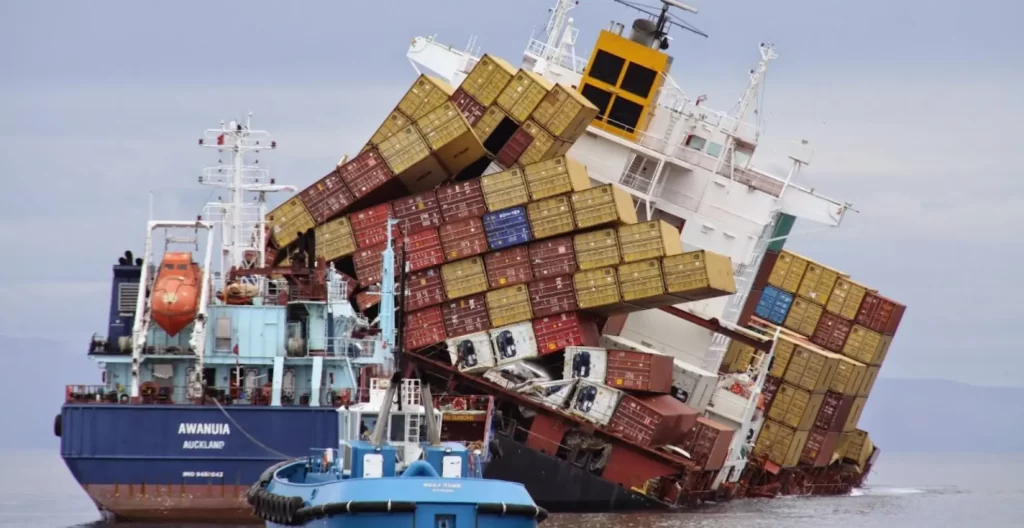
Marine cargo containers being loaded onto a ship for international shipping
Marine Insurance, Business Insurance, Insurance Guide Philippines

Safe Passage: Why Marine Cargo Insurance is the Backbone of Global Trade

In today’s fast-moving global economy, businesses rely heavily on efficient and secure supply chains. Whether importing raw materials or exporting finished goods, products travel thousands of miles across multiple transport modes before reaching their destination. However, this journey comes with risks. Goods in transit face threats such as rough weather, theft, handling damage, and logistical delays. Without proper protection, even a single incident can result in significant financial loss. This is where Marine Cargo Insurance becomes essential. It acts as a financial safeguard, ensuring that your business remains protected even when unexpected events disrupt your supply chain. If you are operating in the Philippines, having reliable Cargo Insurance Philippines coverage is especially important due to the country’s reliance on maritime trade and exposure to weather-related risks. What is Marine Cargo Insurance? Marine Cargo Insurance is a specialized policy designed to protect goods while they are being transported from one location to another. Despite its name, it is not limited to sea transport. It covers shipments moved through: Coverage typically begins when goods leave the warehouse and continues until they reach the final delivery point. This is often referred to as warehouse-to-warehouse coverage. For businesses engaged in international trade, this type of Shipping Insurance ensures that goods are protected at every stage of the journey. Why Marine Cargo Insurance is Critical in 2026 Global trade has become more complex, and risks have increased due to environmental, legal, and logistical factors. Here are the key reasons why Goods in Transit Insurance is more important than ever: 1. General Average Risk General Average is a long-standing maritime principle that requires all cargo owners to share losses if part of the shipment is sacrificed to save the vessel. For example, if containers are thrown overboard during a storm to stabilize a ship, all cargo owners must contribute financially, even if their goods were not damaged. Without Marine Cargo Insurance, businesses may be forced to pay large unexpected costs just to retrieve their shipment. 2. Climate and Route Volatility Changing weather patterns and global shipping congestion are increasing risks in transit. For companies dealing with perishable or sensitive goods, Import Export Insurance is crucial to prevent losses from these unpredictable conditions. 3. Limited Carrier Liability Many businesses assume that shipping companies will cover damages. In reality, carriers operate under strict international conventions that limit their liability. In most cases, compensation is calculated per package or per kilogram, which is often far below the actual value of the goods. Marine Cargo Insurance fills this gap by providing full-value protection, ensuring that your business does not absorb the financial loss. 4. Theft, Damage, and Handling Risks Cargo passes through multiple checkpoints, warehouses, and handlers before reaching its destination. Each transfer increases the risk of: Having proper Shipping Insurance ensures that these risks are covered, regardless of where they occur in the supply chain. What Does Marine Cargo Insurance Cover? Coverage depends on the policy type, but most Marine Cargo Insurance plans include protection against: Businesses can also customize policies based on the type of cargo and shipping method. Types of Marine Cargo Insurance Policies Understanding the different policy types helps businesses choose the right level of protection. 1. All Risk Coverage This provides the most comprehensive protection, covering almost all causes of loss or damage unless specifically excluded. 2. Named Perils Coverage This policy only covers risks explicitly listed in the contract, such as fire, collision, or sinking. 3. Open Policy Ideal for businesses with frequent shipments. It provides continuous coverage without requiring separate policies for each shipment. 4. Voyage Policy Covers a single shipment from origin to destination. This is suitable for occasional shipments. Who Needs Marine Cargo Insurance? Marine Cargo Insurance is essential for: If your business relies on moving goods, Goods in Transit Insurance is not optional. It is a critical component of risk management. Marine Cargo Insurance in the Philippines The Philippines is highly dependent on maritime trade, making Cargo Insurance Philippines a necessity for many businesses. With frequent typhoons, port congestion, and inter-island shipping, the risks associated with transporting goods are significantly higher compared to other regions. Local businesses must ensure that their shipments are properly insured to avoid financial disruption. How to Choose the Right Marine Cargo Insurance When selecting a policy, consider the following factors: Working with an experienced insurance provider can help tailor a policy that fits your business needs. Sources For further reading and credibility, you can reference the following: Marine Cargo Insurance FAQs What is Marine Cargo Insurance? Marine Cargo Insurance protects goods from loss or damage while being transported by sea, air, or land from origin to destination. Is Marine Cargo Insurance required for shipping? It is not always legally required, but it is highly recommended because carrier liability is limited and may not cover the full value of your goods. What does Goods in Transit Insurance cover? It covers risks such as theft, damage, accidents, natural disasters, and General Average contributions during transportation. Who needs Cargo Insurance in the Philippines? Importers, exporters, manufacturers, and businesses involved in shipping goods should have cargo insurance to protect against transit risks. What is the difference between All Risk and Named Perils coverage? All Risk covers most types of loss unless excluded, while Named Perils only covers specific risks listed in the policy.

engineering insurance in the Philippines for construction and infrastructure projects
Insurance Guide Philippines

The Safety Net for Big Ideas: Why Engineering Insurance Isn’t Optional

In the world of engineering, precision is everything. You calculate loads, simulate stresses, and double-check every detail. But heading into 2026, the landscape is changing. With the rise of AI-driven design, more frequent extreme weather events, and increasing material costs, real-world risks are becoming harder to predict. This is where engineering insurance in the Philippines becomes essential. It acts as a financial safety net that protects your projects, your reputation, and your business when unexpected problems occur. Whether you are an independent consultant or part of a large firm, having the right protection in place helps ensure long-term stability. What is Engineering Insurance? Engineering insurance is not a single policy. It is a group of specialized coverages designed to protect against risks in design, construction, and machinery operations. It fills the gap between standard business insurance and the complex risks engineers face, making it an essential part of risk management for engineering projects. Engineering projects often involve physical assets such as buildings, equipment, and materials. These are typically protected under broader coverage like property insurance in the Philippines, especially when dealing with construction and infrastructure risks. The Big Three Policies You Need to Know Professional Indemnity / Errors and Omissions Professional indemnity insurance Philippines protects engineers against claims caused by design errors, miscalculations, or failure to meet specifications. If a structural issue arises due to a design flaw, this coverage helps pay for legal defense and damages. Contractors All Risk Insurance Contractors all risk insurance Philippines covers physical damage to construction projects. This includes: Machinery Breakdown Insurance Machinery breakdown insurance Philippines protects against internal failure of equipment. It typically covers: This is critical for projects relying on specialized machinery. Why Engineering Insurance Matters Financial Protection Engineering failures can result in major financial losses. With rising legal and repair costs, engineering insurance in the Philippines helps prevent a single issue from becoming a business-ending event. Support for Innovation Engineering often involves new technologies and materials. Insurance allows professionals to innovate without exposing themselves to extreme financial risk. Credibility and Trust Clients prefer working with insured professionals. Having proper coverage shows accountability and professionalism. How Engineering Insurance Connects to Other Coverage Engineering projects do not exist in isolation. They are often connected to other types of protection. For example: Engineering Insurance in a Changing Risk Environment In 2026, risks are evolving due to: Engineering insurance in the Philippines helps businesses adapt to these changes by providing financial protection and operational stability. Final Thoughts Engineering is built on precision, but risk can never be fully eliminated. What matters is how prepared you are when challenges arise. With the right engineering insurance in the Philippines, professionals and companies can protect their work, maintain financial stability, and confidently take on complex projects. Sources (Add links in Elementor if needed) Professional Indemnity Trends 2026 – CFC Underwritinghttps://www.cfcunderwriting.com/ Global Insurance Market Outlook – Deloittehttps://www2.deloitte.com/ Engineering and Construction Claims – Allianzhttps://www.allianz.com/ Understanding Contractors All Risk Insurance – Weightmanshttps://www.weightmans.com/ Machinery Breakdown Insurance Overview – Tokio Marinehttps://www.tokiomarine.com/ Contractors All Risk Insurance Philippines – Etiqahttps://www.etiqa.com.ph/

insurance in the Philippines during global conflict and economic uncertainty
Insurance Guide Philippines

Global Conflicts and Insurance in 2026: Why Protection Still Matters During Uncertain Times

Global conflicts and geopolitical tensions have once again become a major concern in 2026. Wars and regional disputes affect economies, supply chains, travel, and financial systems worldwide. During times like these, insurance in the Philippines becomes even more important. While many assume war makes insurance useless, it actually highlights the need for proper protection. Understanding how global conflict impacts insurance helps individuals and businesses make better risk decisions. How War Affects the Insurance Industry Wars influence insurance both directly and indirectly. Insurers closely monitor global conflicts due to the potential for large-scale losses and disruptions. 1. Increased Risk and Higher Premiums When conflict escalates, risk levels increase and premiums may rise. For example, war-risk coverage for shipping routes has increased during geopolitical tensions, affecting marine cargo insurance Philippines and related sectors. Industries most affected include: These pricing adjustments help insurers manage higher exposure. 2. Some Policies May Exclude War-Related Events Most standard policies include war exclusions. This means direct damage caused by war is typically not covered unless additional coverage is purchased. For example, travel insurance Philippines may exclude war-related claims unless specified in the policy. However, other risks during these periods may still be covered, including: Coverage always depends on policy wording. 3. Global Conflicts Can Affect Supply Chains and Businesses Wars can disrupt global trade routes, causing delays and increased costs. Businesses exposed to these risks often rely on: These policies help reduce financial losses caused by disruptions. Why Insurance Is Still Important During Conflict Protection from Non-War Risks Even during conflict, most losses still come from everyday risks such as: Property insurance Philippines and similar coverages continue to provide essential protection. Financial Stability During Uncertain Times Insurance helps avoid large unexpected expenses. Without coverage, recovering from damage or liability can be financially overwhelming. For businesses, business insurance Philippines helps maintain operations despite uncertainty. Businesses Still Depend on Insurance Many industries require insurance to operate, including: Insurance remains a requirement for compliance and risk management. The Role of Insurance in Risk Management Insurance does not eliminate risk. It transfers financial exposure. Even during global instability, insurance helps: Insurance providers also adjust pricing and coverage to reflect global risks. Looking Ahead: Insurance in an Uncertain World Global conflicts highlight the unpredictable nature of the world. While they affect insurance pricing and conditions, they also reinforce the need for financial protection. Insurance in the Philippines continues to protect individuals and businesses from both everyday and unexpected risks. Maintaining the right coverage remains one of the most practical ways to prepare for uncertainty. Sources (Paste as Text Editor or add links manually) Global Insurance Market and Conflict Risk Analysis – Insurance Timeshttps://www.insurancetimes.co.uk/ Commercial and Supply Chain Implications of Global Conflict – Gibson Dunnhttps://www.gibsondunn.com/ War Risk Insurance Market Growth – ASIS Internationalhttps://www.asisonline.org/ Marine Insurance and Shipping Disruptions – Caixin Globalhttps://www.caixinglobal.com/ Impact of Middle East Conflict on Global Trade – The Timeshttps://www.thetimes.co.uk/

property insurance in the Philippines protecting homes and commercial buildings
Insurance Guide Philippines, Property Insurance

Property Insurance in the Philippines (2026): Securing What You’ve Built

In 2026, property insurance in the Philippines represents more than protection for shelter or workspace. It protects capital, stability, and long-term investment. With increasing exposure to natural disasters and rising rebuilding costs, property insurance has become a practical financial strategy rather than an optional add-on. Whether you own a house, condominium unit, commercial building, or warehouse, having the right property insurance coverage helps you make smarter risk decisions. The Risk Landscape for Property Owners Property in the Philippines faces a unique mix of risks: When damage occurs, recovery costs can be substantial. Property protection insurance in the Philippines helps transfer that financial burden to an insurer instead of absorbing it personally or through business funds. Oversight and consumer protection for insurers are provided by the Insurance Commission, ensuring policies meet regulatory standards. Property Insurance at a Glance Instead of looking at it as a single product, think of property insurance as protection built around three main pillars: Structural Protection Covers the physical building itself, including: This ensures reconstruction costs are covered after insured damage. Contents and Asset Protection Protects what is inside the property, such as: For businesses, this can be just as critical as the building itself, especially when paired with commercial property insurance in the Philippines. Extended Risk Coverage Most policies begin with fire coverage, often referred to as fire and allied perils insurance in the Philippines, and can be expanded to include: Selecting extensions depends on location, risk exposure, and budget. For more detailed protection against fire-related risks, you can explore ourfire insurance in the Philippines guide, which explains coverage and benefits in depth. Residential vs Commercial Property Coverage Residential Property Insurance Residential property insurance in the Philippines focuses on: Commercial Property Insurance Commercial property insurance in the Philippines helps: Financial literacy initiatives from the Bangko Sentral ng Pilipinas emphasize protecting major financial assets such as property. Engineering projects and construction activities may require specialized coverage such as engineering insurance in the Philippines, especially for complex builds and infrastructure projects. How Coverage Is Priced Premium calculations typically consider: Properties in high-risk zones may carry higher premiums due to increased exposure. When Should Property Insurance Be Reviewed? Property insurance should be reviewed when: Regular reviews ensure coverage remains aligned with actual asset value. Property Insurance as Financial Strategy In 2026, property insurance is less about reacting to disasters and more about planning ahead. It protects both physical assets and long-term financial stability. Insurance cannot prevent disasters, but it can prevent financial loss. By understanding property insurance in the Philippines, evaluating risks, and selecting the right coverage, property owners can protect what they have built. Sources Consumer Insurance Guidelines — Insurance CommissionFinancial Stability and Asset Protection Resources — Bangko Sentral ng PilipinasDisaster Risk Information — National Disaster Risk Reduction and Management Council

travel insurance in the Philippines for international and domestic trips
Insurance Guide Philippines, Travel Insurance

Travel Insurance in the Philippines (2026): A Smart Companion for Every Trip

Travel in 2026 looks different. More Filipinos are traveling abroad for leisure, business, study, and migration. At the same time, flight disruptions, medical emergencies, and unexpected travel restrictions remain real concerns. Travel insurance in the Philippines has become an essential safeguard that protects both your finances and your travel plans. Whether you’re flying within Asia or heading long-haul to Europe or North America, having travel insurance coverage helps you manage risks before and during your trip. Why Travel Insurance Matters More Today Travel exposes you to risks that do not exist at home, including: Medical treatment overseas can be extremely expensive. Without proper coverage, even minor emergencies can lead to significant financial strain. Travel insurance providers in the Philippines operate under the supervision of the Insurance Commission to ensure consumer protection and compliance. What Travel Insurance Typically Covers ✈ Trip Protection Benefits These benefits help recover prepaid, non-refundable expenses. 🏥 Emergency Medical Coverage Travel medical insurance in the Philippines is one of the most important components, especially for international travel. 🧳 Personal Belongings Protection Travel disruptions often involve luggage issues, and this coverage helps reduce financial losses. ⚖ Personal Liability Coverage Provides protection if you accidentally cause injury to someone or damage property while traveling abroad. Is Travel Insurance Required? For some destinations, yes. Countries within the Schengen Area often require Schengen travel insurance in the Philippines before issuing a visa. Even when not mandatory, it is strongly recommended for international travel. Travel insurance is typically optional for domestic trips but still provides valuable protection. How Premiums Are Calculated Premiums are usually based on: Longer trips and destinations with higher medical costs may result in higher premiums. Who Should Strongly Consider Travel Insurance Even short trips can be disrupted, making affordable travel insurance in the Philippines a practical investment. Before You Buy: Key Questions to Ask Understanding policy terms helps avoid issues during emergencies. Travel Insurance as Part of Trip Planning Travel insurance should be arranged when booking flights and accommodations, not after. It serves as a financial safety net against unexpected disruptions. With global travel continuing to grow, having the right travel insurance in the Philippines allows you to travel confidently without unnecessary financial risk. If you are also protecting assets at home or your business, you may want to explore property insurance in the Philippines for complete financial protection. For businesses managing international projects, coverage like engineering insurance in the Philippines may also be necessary alongside travel protection for personnel. Sources Consumer Insurance Guidelines — Insurance CommissionFinancial Consumer Protection Resources — Bangko Sentral ng PilipinasTravel Advisory and Risk Information — Department of Foreign Affairs

fire insurance protection for homes and buildings in the Philippines
Insurance Guide Philippines, Business Insurance, Marine Insurance, Motorcar Insurance, Property Insurance, Travel Insurance

Protecting Your Property in 2026: A Comprehensive Guide to Fire Insurance in the Philippines

Fire insurance in the Philippines is a key part of protecting homes, buildings, and businesses — especially in a country prone to accidental fires, typhoons, earthquakes, and other disasters. In 2024, claims for Fire & Allied Perils in the Philippine insurance industry were valued at nearly ₱5.86 billion, reflecting the ongoing demand for protection against loss or damage from fire-related events. Understanding how fire insurance works, what it covers, and how to choose the right policy can help individuals and businesses avoid severe financial strain when disaster strikes. Many property owners today secure property insurance in the Philippines to safeguard their homes, commercial buildings, and other valuable assets. What Is Fire Insurance and Why It Matters Fire insurance is a type of non-life insurance policy designed to cover financial losses caused by fire and lightning, and when extended, other perils such as earthquakes, typhoons, floods, and related damage. It helps policyholders recover the cost of repairing or rebuilding property, replace damaged contents, and continue business operations after loss. Fire insurance matters because it: Many insurers bundle this protection within broader fire and allied perils insurance in the Philippines, which expands coverage to additional disaster risks common in the country. Core Components of Fire Insurance Basic Fire and Lightning Coverage This is the foundation of all fire insurance policies. It generally covers: Allied and Optional Perils (Expanded Coverage) With additional premiums, fire insurance can also cover: These expanded options are often called Allied Perils and greatly widen the scope of protection. Types of Fire Insurance Policies Residential Fire Insurance Ideal for homeowners and residential property owners. Residential fire insurance in the Philippines typically: Commercial Fire Insurance Designed for business properties such as offices, retail stores, warehouses, and factories. Commercial fire insurance in the Philippines helps: Businesses often combine this protection with broader property insurance coverage to ensure all physical assets are properly insured. For construction sites and industrial projects, fire risks are often managed alongside engineering insurance in the Philippines to ensure broader protection during development phases. How Fire Insurance Works Premiums depend on property value, location, construction materials, and risk exposure. Your insurer evaluates the loss and pays the agreed indemnity or repair cost according to the policy terms. Optional benefits may assist with temporary accommodation or business interruption while rebuilding. Choosing the Right Fire Insurance Coverage To select the best fire insurance coverage for your property or business, consider: Working with a licensed insurance advisor or broker can help you compare options and understand the details of each policy. Who Needs Fire Insurance Fire insurance is important for many types of property owners in the Philippines: Many financial institutions require fire insurance in the Philippines as part of property loan agreements to ensure collateral is protected. Building Resilience with Fire Insurance Fire insurance is more than just a policy. It is financial protection against some of the most destructive events a property owner or business can face. In the Philippines, where fire incidents and natural disasters occur regularly, having the right insurance coverage helps secure hard-earned assets, supports faster recovery after loss, and provides peace of mind for homeowners and business operators alike. Fire insurance is often part of a broader property insurance in the Philippines strategy, which covers multiple risks beyond fire. Sources

Insurance in the Philippines protecting individuals and businesses in Metro Manila
Insurance Guide Philippines, Motorcar Insurance, Property Insurance

Insurance in the Philippines: A Practical Guide for Individuals and Businesses

Insurance in the Philippines is an essential part of financial planning for individuals, families, and businesses. With rising healthcare costs, road risks, property exposure, and business liabilities, insurance provides financial protection against unexpected losses. Choosing the right insurance coverage helps Filipinos protect their assets, income, and operations while ensuring peace of mind during emergencies. What Is Insurance and Why It Matters Insurance is a financial arrangement where a policyholder pays a premium to an insurance provider in exchange for protection against specific risks. When a covered event occurs, the insurer helps cover the resulting costs based on the policy terms. In the Philippines, insurance plays a vital role due to traffic congestion, natural disasters, medical expenses, and increasing business risks. Types of Insurance Coverage Offered in the Philippines Motor and Vehicle Insurance Motorcar insurance in the Philippines provides coverage for private vehicles against accidents, theft, and third party liability. Truck insurance and motorcycle insurance offer protection for commercial and personal vehicles operating on Philippine roads. Property and Asset Insurance Property insurance in the Philippines protects buildings and contents from fire, typhoon, flood, and earthquake. For movable or high value assets, property floater insurance and fine arts insurance provide specialized coverage. Travel and Personal Accident Insurance Travel insurance offers protection against trip cancellations, medical emergencies, and travel related risks. Personal accident insurance provides financial support in case of accidental injury or death. Business and Liability Insurance Businesses can manage operational risks through comprehensive general liability insurance, contractor’s all risk insurance, and surety bonds, which help ensure compliance and financial protection. Marine and Cargo Insurance For logistics and maritime operations, marine cargo insurance covers goods in transit, while marine hull and machinery insurance protects vessels against operational risks. Health Coverage HMO cards in the Philippines provide access to medical services and healthcare networks, helping individuals and employees manage healthcare costs effectively. How to Choose the Right Insurance Coverage Choosing the right insurance coverage depends on your assets, activities, and level of risk exposure. Working with a trusted insurance provider in the Philippines helps ensure you receive coverage that fits your needs and budget. Final Thoughts Insurance is not just an expense. It is a financial tool that protects what you have worked hard to build. Whether you are securing vehicles, property, cargo, travel, or business operations, having the right insurance coverage provides long term financial protection and confidence. Sources

Scroll to Top