
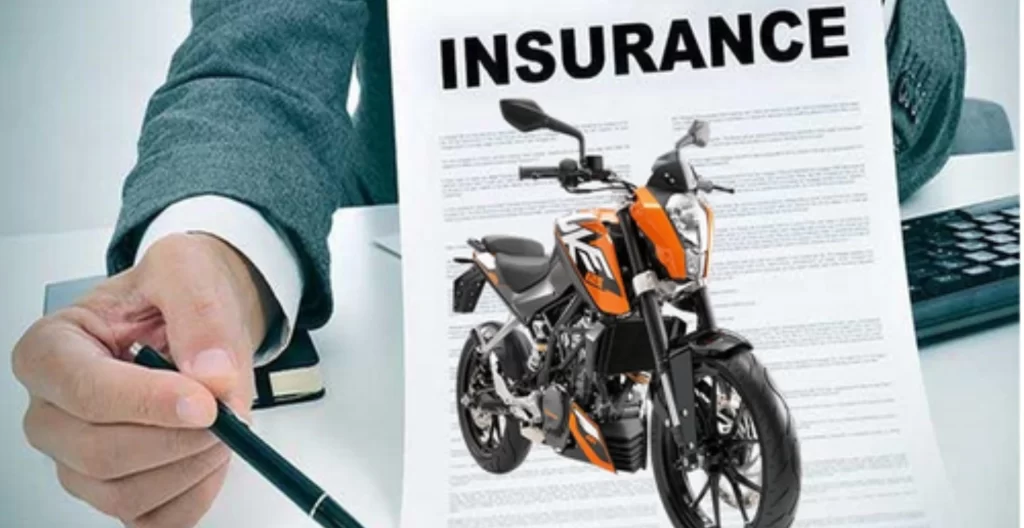
Motorcycles continue to dominate Philippine roads in 2026, serving as an essential mode of transportation for commuters, entrepreneurs, and delivery riders. With increasing traffic density, higher repair costs, and exposure to weather-related risks, motorcycle insurance in the Philippines is no longer just a compliance requirement. It is a practical financial safeguard.
Before renewing registration with the Land Transportation Office, every motorcycle owner must secure Compulsory Third-Party Liability insurance. But beyond this legal requirement, riders have options that offer broader and more meaningful protection.
Why Motorcycle Insurance Is Important in 2026
Motorcycle ownership comes with financial exposure. Accidents, theft, and natural disasters can quickly lead to unexpected expenses. Insurance helps absorb those costs so riders do not have to shoulder them alone.
Key reasons riders invest in insurance today:
- Road accident frequency remains high in urban areas
- Motorcycle parts and repair labor costs continue to rise
- Delivery and gig riders depend on motorcycles for daily income
- Weather events such as typhoons and floods can damage vehicles
Insurance transforms these risks into manageable financial obligations.
For riders who want broader financial protection beyond vehicle coverage, it can also be helpful to understand accident insurance in the Philippines, especially for personal injury support.
The Two Main Types of Motorcycle Insurance
Instead of viewing motorcycle insurance as one product, it is better understood in two layers of protection:
Mandatory Protection: CTPL
CTPL insurance is required under Philippine regulations and supervised by the Insurance Commission.
What it does:
- Covers bodily injury or death of third parties
- Provides no-fault medical benefits to accident victims
- Is required for LTO registration and renewal
What it does NOT cover:
- Damage to your motorcycle
- Theft
- Damage to property
- Personal injuries to the rider
CTPL protects others, not your own vehicle.
Expanded Protection: Comprehensive Motorcycle Insurance
Comprehensive motorcycle insurance in the Philippines fills the gaps left by CTPL. It is optional but highly recommended, especially for riders who depend on their motorcycle for work.
Coverage may include:
- Collision and own-damage repairs
- Theft and total loss protection
- Typhoon, flood, and earthquake damage
- Personal accident benefits for the rider
- Third-party property damage
This type of insurance protects both the rider and the motorcycle itself.
How Premiums Are Determined
Insurance premiums in 2026 are influenced by several factors:
- Motorcycle value and engine size
- Intended use such as private or delivery
- Rider risk profile
- Location and exposure to hazards
- Coverage limits and add-ons selected
Higher-value motorcycles and commercial use generally mean higher premiums.
Motorcycle owners in high-risk areas may also benefit from understanding property insurance in the Philippines, especially when protecting garages, storage spaces, or business assets.
When Is Comprehensive Insurance Worth It?
Comprehensive coverage is especially valuable if:
- You recently purchased a new motorcycle
- You are still paying through financing
- You operate as a delivery or ride-hailing rider
- You live in flood-prone or high-crime areas
- Your motorcycle is your primary source of income
For occasional riders with older motorcycles, CTPL alone may be sufficient, but risk tolerance should always be considered.
Responsible Riding Goes Beyond Helmets
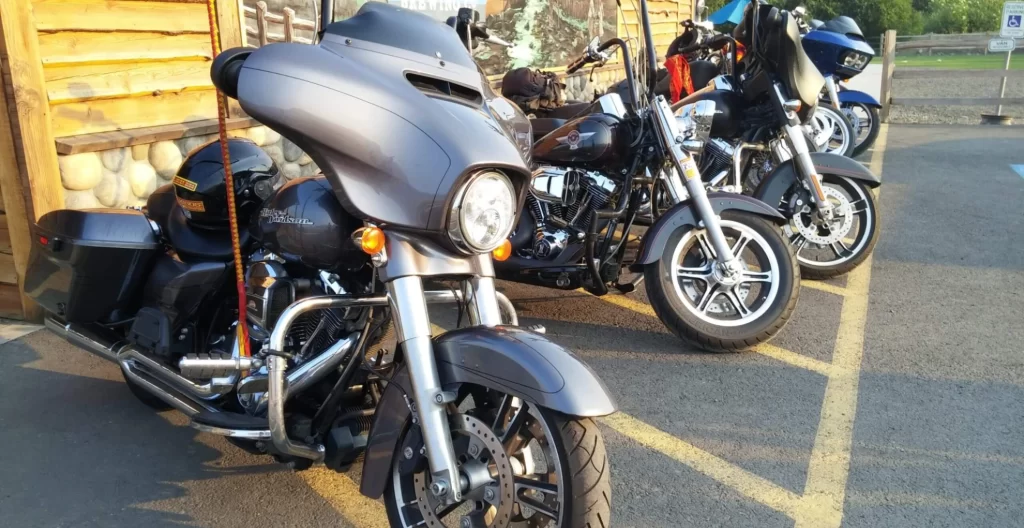
Insurance is part of a broader safety mindset. While helmets and defensive driving reduce physical harm, insurance reduces financial risk.
As the motorcycle market continues to grow, riders who combine safe driving practices with proper coverage are better prepared for unexpected situations.
Motorcycle insurance in the Philippines is not just about compliance. It protects your mobility, your livelihood, and your financial stability.
Sources
Motor Vehicle Insurance Regulations — Insurance Commission
Registration Requirements for Motorcycles — Land Transportation Office
Consumer Financial Protection Resources — Bangko Sentral ng Pilipinas